Treatment guide
Microneedling at Glasgow Aesthetic Clinic: what it treats, who it suits, how the assessment works, what the appointment involves, recovery and aftercare, and when it is not the right choice.
Microneedling uses fine needles to create controlled micro-injuries in the skin. The healing response that follows lays down new collagen and elastin over the following months. It improves texture, fine lines and some scarring. Results are cumulative across a course rather than immediate.
Conditions this treats
Microneedling in Glasgow is almost always sold as a course rather than a single appointment, so the meaningful figure is the whole plan. A planned course on a medical device, with a recorded skin type and a review built in, costs more to deliver than one session sold as a facial, and the difference shows.
Cost varies with the device, the number of sessions, whether topical products or add-on serums are included and whether a review is built in. Cost follows the assessment; see what drives cost and the clinic guide.
Cost follows the assessment, never the other way round. What drives the cost of treatment sets out how a written quotation should be built, and the guide to choosing a clinic in Glasgow covers what a low figure usually leaves out.
Microneedling results build rather than appear. A glow follows within a week of each session, and the collagen change that improves texture and shallow scarring develops from around three months after a course of three to six sessions. That improvement is durable but ageing continues, so most people return for maintenance annually.
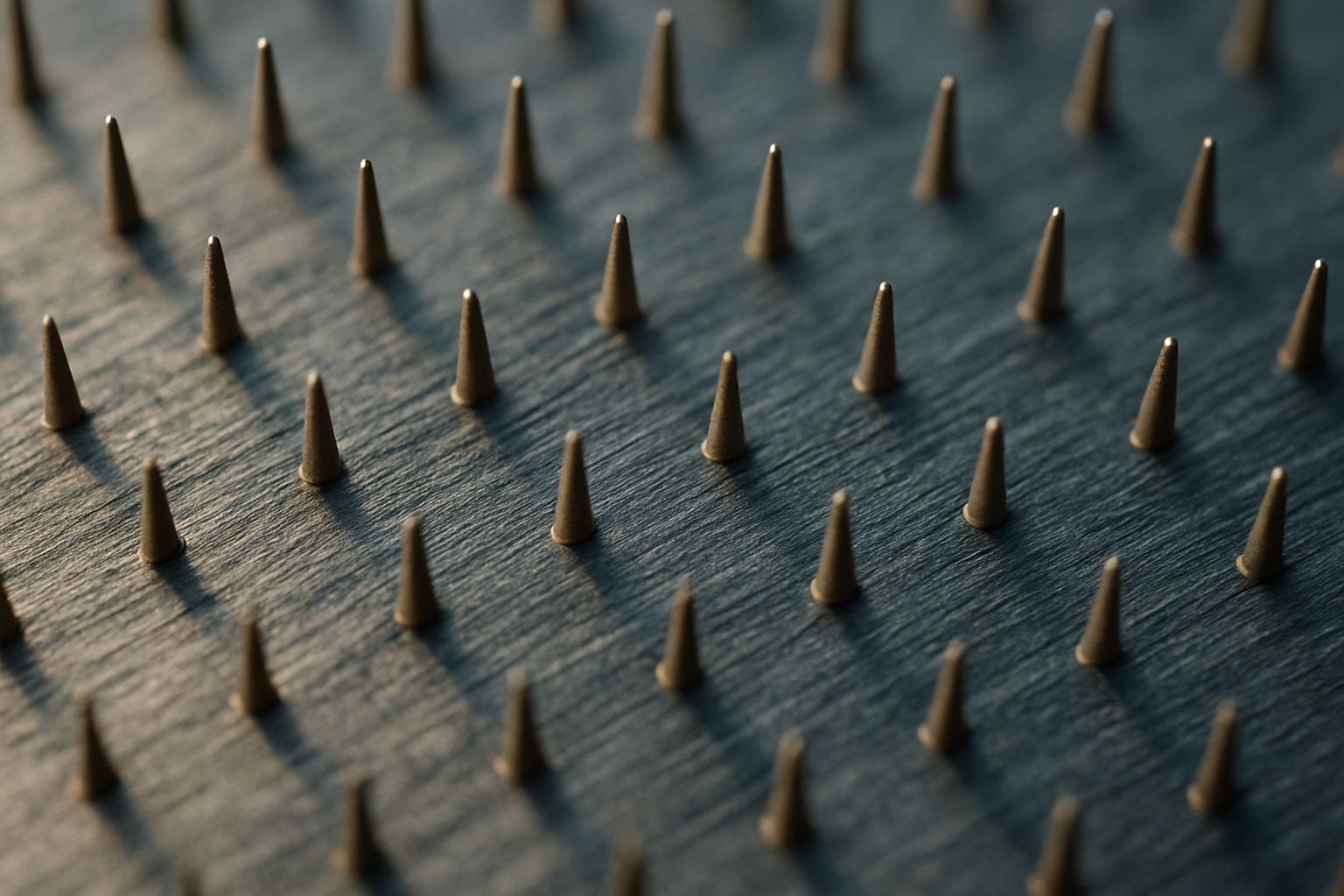
A device passes fine needles into the skin to a set depth, many times, in a controlled pattern. Each puncture is a tiny wound. The skin responds as it does to any wound: inflammation, then proliferation, then remodelling. The remodelling phase lays down new collagen, and it runs for months after the appointment.
The important consequence is that microneedling is a slow treatment. What you see in the first fortnight is hydration, mild swelling and improved light reflection, all of which are pleasant and none of which is the point. The structural change appears from around three months and continues to about six.
Judge microneedling at three months against a photograph, not at three days against a memory.
Microneedling combines well with a considered skincare routine, with courses of superficial peels alternated rather than stacked, and with injectable skin boosters that work on hydration from within while needling works on structure.
Convention is to leave around two weeks between microneedling and botulinum toxin or filler in the same area, and to complete acne treatment before beginning scar work. Sequencing is part of the plan and should be discussed at the consultation rather than improvised.
Microneedling is safe when depth is chosen for the area and the skin type, sterile single-use cartridges are used, and nothing unlicensed is applied to freshly needled skin. Redness for one to three days is expected. The risks that matter are infection, granuloma from inappropriate topicals, and pigment change in deeper skin tones.
Expect numbing cream for around thirty minutes, then a treatment of roughly twenty minutes in which a sterile cartridge passes over the skin in a set pattern. The skin looks like moderate sunburn for one to three days. Makeup is avoided for around twenty four hours and sun protection is worn daily afterwards.
Needle depth is set according to the area and the target. Thinner skin around the eyes tolerates far less than the cheek. Depth influences results and risk in the same direction, so deeper is more effective and more likely to cause a problem.
Practitioners generally work shallower on the forehead, temples and around the eyes, and deeper on the cheeks for scarring. A practitioner who uses one setting across the whole face is not tailoring anything.
Home rollers use short, often blunt needles that cannot be sterilised reliably and are dragged across skin rather than stamped into it, which tears rather than punctures. They carry a real risk of infection, scarring and pigmentation, and they do not reach the depth that produces collagen remodelling. If you already own one, the sensible advice is to stop using it.
Numbing cream is applied and left for around thirty minutes. The device is passed over the area systematically. The sensation is a strong vibrating scratch, tolerable on the cheeks and sharper over bone such as the forehead and jaw. Treatment usually takes twenty to thirty minutes after numbing.
Pinpoint bleeding is normal and expected at working depths. Immediately afterwards the skin is red, warm and tight. A calming serum is usually applied, and only sterile, appropriate products should touch the skin for the next day.
Ask what is being applied during and after treatment. Skin with thousands of open channels absorbs anything placed on it. Products not intended for that use have caused granulomatous reactions.
Practical rules for the first forty eight hours: no make-up on day one, no exercise, swimming, sauna or steam, no active skincare such as retinoids, acids or vitamin C, gentle cleansing with clean hands only, and broad-spectrum sun protection from day two once the skin tolerates it. The aftercare page covers this properly.
Choosing a provider for microneedling in Glasgow is about the protocol rather than the brand of pen. Ask what depth is used and why, whether cartridges are single-use and sterile, what is applied to the skin during and after, whether skin type is recorded, and whether a course plan with review is included.
Microneedling is performed both by aesthetic therapists and by medical practitioners, and either can do it well with the right training and device. What you are checking is training specific to the device, single-use sterile cartridges, a recorded skin type assessment, a course plan with review, and appropriate handling of anything applied to the skin.
Microneedling is not suitable over active inflammatory acne, an erupting cold sore, infected or broken skin, or an area with an undiagnosed lesion. It is postponed in pregnancy, after recent isotretinoin until the prescriber agrees, and in poorly controlled diabetes or immunosuppression. Keloid-prone skin needs caution and a test area.
Microneedling is a good match for:
It is a poor match for:
Your care
The same order every time, with the decision made at assessment rather than at the point of sale.
A full assessment of the area, your medical history and a discussion of what microneedling can and cannot change for you. Where the treatment involves a prescription-only medicine, this must happen face to face with the prescriber before anything is dispensed.
Areas, sequence, product, quantity and cost set out in writing, with the risks that need a protocol named rather than glossed over. You take it away before you consent to it.
Treatment is deliberately conservative on a first visit, and you are told what to expect before you leave. Afterwards, redness for one to three days, like moderate sunburn.
Written aftercare, the symptoms that mean you telephone rather than wait, and a route to reach someone out of hours. On timing, glow within a week; collagen change from around three months.
The result is judged at review rather than on the day, once any swelling has settled, and adjustment happens there rather than being sold as a second course.
Where the finding will not respond to this treatment, that is said plainly and an alternative is discussed instead of a compromise.
Common questions
Three to six spaced four to six weeks apart for general skin quality. Acne scarring usually needs six or more and often other techniques alongside.
With numbing cream most people find it very tolerable on the cheeks and sharper over bone. It is uncomfortable rather than painful.
Usually one to three days, longer at deeper settings. Most people are presentable with light make-up from day two.
No. They cannot be sterilised reliably, they tear rather than puncture, they do not reach an effective depth, and they carry a real risk of infection and scarring.
No. Needling through active inflammatory acne spreads bacteria and worsens it. Get the acne controlled first, then treat the scarring.
It helps rolling and shallow boxcar scars over a course. Ice pick scars usually need a different approach. Expect improvement rather than removal.
Yes, and it is often preferred over laser for that reason. Depth and aftercare need to be more conservative because of the pigmentation risk.
Related reading
01
Four scar types, several treatments, and one rule: control the acne before you treat the scars.
Read
02
An umbrella term. The value is in working out which of four separate problems you actually have.
Read
03
Controlled injury with a very long clinical history. Depth and skin type decide everything.
Read
Enquiries
Tell us what you would like changed and what you have had done before. You will get a considered reply setting out whether this treatment applies to you, what an assessment would need to establish, and what the alternatives are.
hello@aestheticlaunchlab.comPlease do not send clinical photographs or medical records by email. If something has gone wrong after a procedure, contact the practitioner who treated you, or NHS 111 in Scotland, rather than waiting for a reply.