Treatment guide
Acne scar treatment at Glasgow Aesthetic Clinic: what it treats, who it suits, how the assessment works, what the appointment involves, recovery and aftercare, and when it is not the right choice.
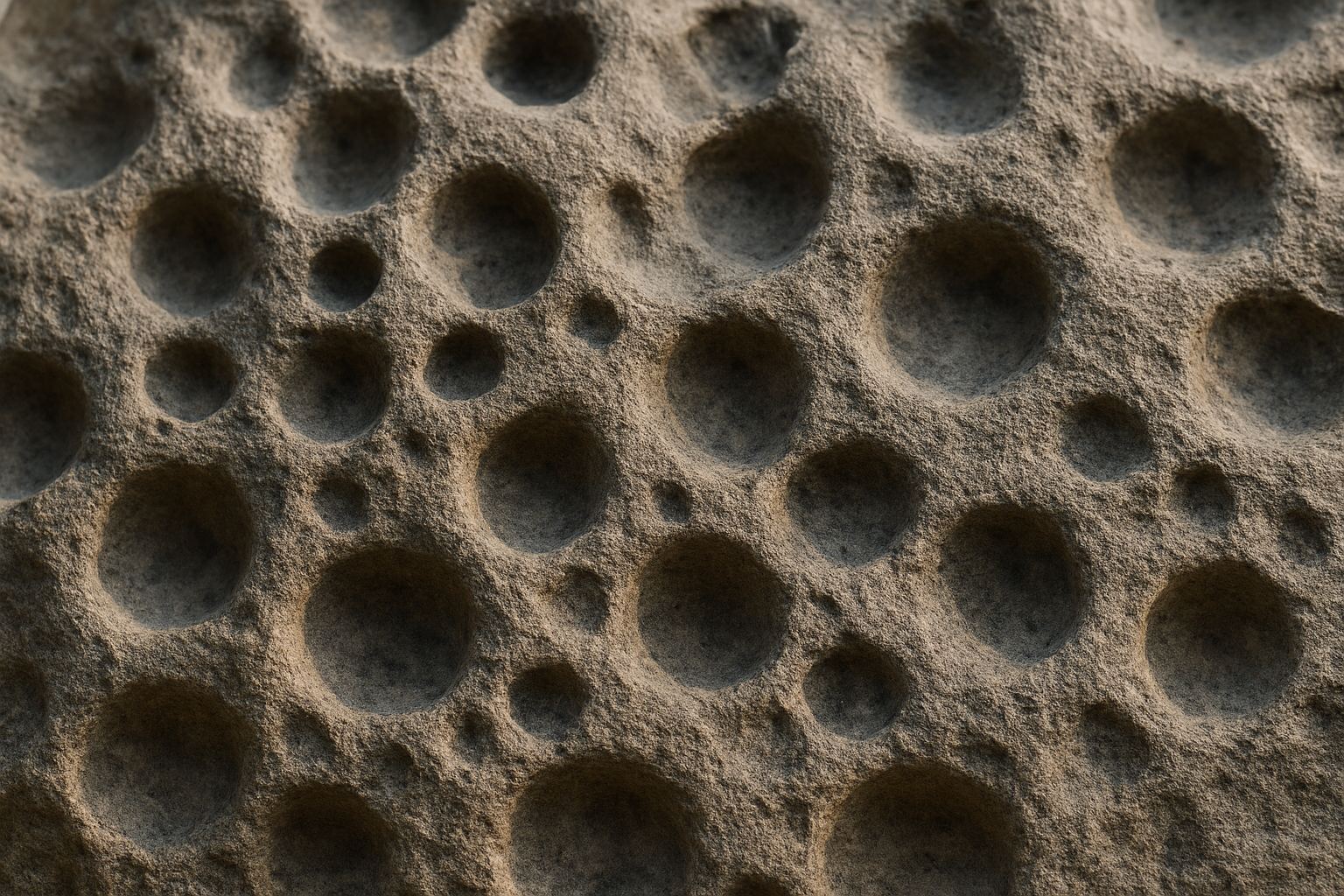
Acne scars can be substantially improved but not erased. The right treatment depends on the scar type: ice pick, boxcar, rolling and raised scars respond to different techniques. Flat red or brown marks are usually not scars at all and often fade without procedural treatment.
Conditions this treats
The cost of acne scar treatment in Glasgow reflects a staged plan rather than a single appointment. Price is driven by the number and type of techniques combined, how many sessions each requires across six to twelve months, whether standardised photography and review are included, and the training of the practitioner assessing the scars.
Scar treatment is a programme, not an appointment, so the meaningful figure is the cost of the whole plan rather than one session. Ask for the sequence in writing with the expected number of sessions per stage, and ask what happens if more are needed.
A written quotation follows the assessment. See what drives the cost of treatment.
Acne scar treatment produces change that is permanent in the sense that remodelled collagen does not disappear, but it is gradual. Improvement continues for three to six months after each session and is judged at the end of a staged plan lasting six to twelve months. New acne can create new scars, so control comes first.
A serious plan looks like a sequence rather than a package. Typically it begins by getting acne controlled, then addresses tethering with subcision, then resurfaces over several sessions, then treats residual individual scars, and finally deals with any remaining redness or pigmentation. It runs over six to twelve months.
Expect improvement rather than erasure. A well-executed plan can make scarring substantially less noticeable in normal light and photographs, which is what most people actually want. Skin that reads as never having had acne is not an available outcome and any clinic implying otherwise is setting you up to be disappointed.
The aim is skin that stops being the first thing you see in the mirror, not skin that never had acne.
Acne scar treatment is safe when the technique is matched to the scar type and to a recorded skin type. The principal risk is post-inflammatory pigment change, which is more likely in deeper skin tones and after sun exposure. Infection, prolonged redness and worsening of scarring are uncommon and follow aggressive settings.
Ask which specific scar types the practitioner has identified on your face and which treatment each one is receiving. If the answer is a single treatment for everything, the assessment was not done.
Expect the first appointment to be diagnostic. Scars are classified as ice pick, boxcar, rolling, hypertrophic or keloid, and marks that are not scars at all are separated out. Photographs are taken in standardised lighting. Treatment then runs as a staged course, with each session followed by days of redness and weeks of gradual change.
The single most useful thing you can do before booking anything is to look at your skin in raking light from the side, rather than straight on under a bathroom bulb, and work out whether you are looking at a change in the surface contour or a change in colour.
Most people have a mixture. That is why single-treatment plans underperform.
A needle or cannula is passed under a rolling scar to divide the fibrous bands tethering it downward. The scar rises because it is no longer being pulled. This is the treatment of choice for rolling scars and nothing applied to the surface substitutes for it. Bruising is significant for a week or more.
A high concentration acid is applied precisely into the pit with a fine applicator, prompting the walls to contract and the base to lift. Repeated over several sessions. The only realistic non-surgical option for narrow deep pits.
Columns of controlled thermal injury spaced across the skin, prompting remodelling while leaving intervening skin to speed healing. Ablative devices do more with more downtime. Effective for boxcar scars and general texture. Requires careful settings in darker skin.
Needles delivering heat into the dermis. Useful across boxcar and rolling scars, with less surface disruption than ablative laser and therefore a lower pigmentation risk, which makes it a common choice in skin of colour.
Lower risk, lower intensity, more sessions. A reasonable route for shallow scarring and for people who cannot take downtime. See microneedling.
Placed under distensible atrophic scars to lift them. Temporary, and best thought of as a finishing step after the tethering has been released rather than a first move.
Excision or elevation of individual deep scars, performed surgically. Trades a pit for a fine line, which is usually a good trade.
Choosing a practitioner for acne scar treatment in Glasgow means finding someone who assesses before they treat. Ask how they classify your scars, which techniques they combine and why, how they handle pigment risk in your skin type, whether photographs are standardised, and whether a medical route for any remaining active acne has been considered.
Scar work sits firmly in the medical end of this field. It involves breaking skin at depth, managing complications, and often prescribing. Look for a medically qualified practitioner with specific experience in acne scarring, a clinic registered with Healthcare Improvement Scotland where relevant, standardised photography, and a willingness to describe a staged plan rather than sell a course of one thing.
Acne scar treatment is not started while acne is still active, because new lesions create new scars. It is postponed after recent isotretinoin until the prescriber agrees an interval, during pregnancy, over infected skin, and where keloid scarring makes further injury risky. Marks that are redness or pigment rather than scars need a different plan.
Treat the acne first. Resurfacing skin that is still breaking out produces new scars while you are paying to improve the old ones, and inflammation continuing under the surface will undo the remodelling you are trying to achieve.
If you are still getting active lesions, the right first appointment is with a GP or a dermatologist, not an aesthetic clinic. Effective medical treatment for acne exists and is available on the NHS. A clinic that offers to start scar treatment on actively inflamed skin is not doing you a favour.
There is longstanding caution about resurfacing procedures within a period after finishing isotretinoin. Current thinking is more nuanced than it once was, but it is a specific conversation to have with a medical practitioner who knows your history rather than a question to settle from a website.
Your care
The same order every time, with the decision made at assessment rather than at the point of sale.
A full assessment of the area, your medical history and a discussion of what acne scar treatment can and cannot change for you. Where the treatment involves a prescription-only medicine, this must happen face to face with the prescriber before anything is dispensed.
Areas, sequence, product, quantity and cost set out in writing, with the risks that need a protocol named rather than glossed over. You take it away before you consent to it.
Treatment is deliberately conservative on a first visit, and you are told what to expect before you leave.
Written aftercare, the symptoms that mean you telephone rather than wait, and a route to reach someone out of hours.
The result is judged at review rather than on the day, once any swelling has settled, and adjustment happens there rather than being sold as a second course.
Where the finding will not respond to this treatment, that is said plainly and an alternative is discussed instead of a compromise.
Common questions
No. Substantial improvement is realistic; complete removal is not. Anyone promising erasure is overselling.
Look in side lighting. If the surface contour is unchanged and only the colour differs, those are post-inflammatory marks rather than scars, and they usually fade on their own.
A realistic plan runs six to twelve months across several sessions and often more than one technique.
Subcision, which releases the fibrous tethers pulling the scar down. Resurfacing alone tends to underperform on this type.
No. Control the acne first, medically if needed. Treating scars on actively inflamed skin creates new ones.
It can be, with appropriate device selection and conservative settings, but radiofrequency microneedling is often preferred because it disrupts the surface less and carries a lower pigmentation risk.
Treated scars do not return, but new acne creates new scarring. Long-term control of the acne is part of the plan, not separate from it.
Related reading
01
The most reliable low-risk texture treatment, and the one most often undermined by home devices.
Read
02
Controlled injury with a very long clinical history. Depth and skin type decide everything.
Read
03
An umbrella term. The value is in working out which of four separate problems you actually have.
Read
Enquiries
Tell us what you would like changed and what you have had done before. You will get a considered reply setting out whether this treatment applies to you, what an assessment would need to establish, and what the alternatives are.
hello@aestheticlaunchlab.comPlease do not send clinical photographs or medical records by email. If something has gone wrong after a procedure, contact the practitioner who treated you, or NHS 111 in Scotland, rather than waiting for a reply.