Treatment guide
Lip fillers at Glasgow Aesthetic Clinic: what it treats, who it suits, how the assessment works, what the appointment involves, recovery and aftercare, and when it is not the right choice.
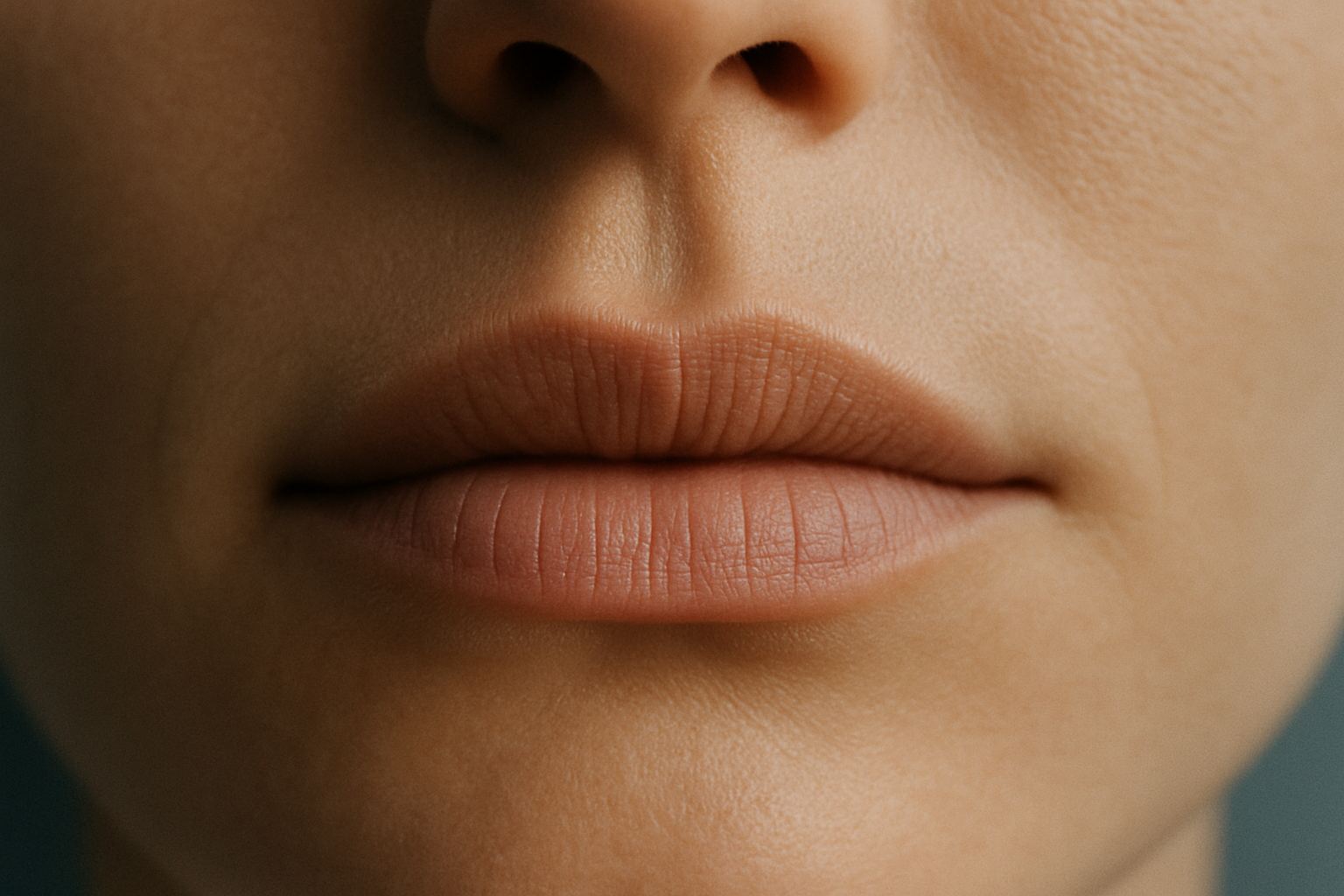
Lip filler adds hyaluronic acid gel to alter volume, shape, definition or symmetry. It can restore lost fullness, improve balance between upper and lower lip, define a border or support a downturned corner. It cannot change the skin around the mouth or lift a heavily descended upper lip.
Conditions this treats
The cost of lip fillers in Glasgow reflects the injector before it reflects the product. Price is driven by the volume of gel used, the training and registration of the person injecting, whether a review appointment is included, whether hyaluronidase is held on the premises, and the indemnity and inspection standards behind the clinic.
Lip filler is usually priced by volume, which encourages comparison on the wrong measure. What you are paying for is assessment, product selection, technique, a two-week review, and a practitioner who can obtain and administer the reversal agent within hours if needed.
The cost guide sets out every variable without quoting a figure, because a number without those variables attached is meaningless.
Lip fillers commonly last six to twelve months. Lips move constantly with speech and eating, so hyaluronic acid is metabolised faster here than in static areas such as the cheek. Some product can persist longer than the visible effect suggests, which is why repeated top-ups without reassessment slowly change lip shape.
Filler migration means product that has moved beyond the vermilion border into the skin above the lip, producing a soft shelf, a loss of definition of the border, or a characteristic dark shadow line. It is one of the most common reasons people seek dissolving.
Contributing factors include placing product too superficially or too close to the border, treating too often before previous product has broken down, using a volume the tissue cannot accommodate, and repeated massage or pressure. It is more visible in people with a short upper lip.
If you have had several rounds of lip filler over a few years and the border is losing definition, the correct next step is usually assessment for dissolving rather than another syringe. A practitioner who suggests dissolving is not talking themselves out of work; they are giving you the answer that will actually improve the result.
Lip fillers are safe in trained hands, but the lip carries specific risks. Bruising and marked swelling are expected rather than exceptional. Vascular occlusion, where gel obstructs a labial artery, is uncommon and needs hyaluronidase within hours. Needling can reactivate cold sores. Lumps and asymmetry are usually correctable at review.
A lip appointment starts with assessment and a plan, not a syringe. Numbing cream is usual and the treatment itself takes around twenty minutes. Swelling begins immediately, peaks at twenty four to forty eight hours and can be substantial. Lips look settled at about two weeks, which is when the result should be judged.
Conservative. A small volume, placed to improve shape and definition rather than to add obvious size, then reviewed at two weeks and built on if you want more. This approach costs more in total than one large treatment and it is still the right one, because you can add and you cannot easily take away without dissolving everything and starting again.
You can always add more in a fortnight. You cannot un-see a lip that is too big for your face at a wedding on Saturday.
Techniques vary and each is a means to an end rather than a brand of result: linear threading along the border for definition, small aliquots in the body of the lip for volume, support at the corners, and occasionally a small amount at the philtral columns to restore shape. The point of asking what your practitioner intends to do is not to audit their technique but to hear whether they have a plan specific to your mouth.
Lips swell more than anywhere else on the face. The first twenty four to forty eight hours commonly produce a result that looks nothing like what was intended, and this is normal. People who panic on day two are usually looking at swelling, not filler.
Do not book lip filler in the week before an event. Two to three weeks is a sensible minimum, and four is better if you have not had it before and do not know how you swell.
Choosing an injector for lip fillers in Glasgow rests on registration and evidence rather than on a social media feed. Ask which healthcare register they appear on, how often they treat lips, whether hyaluronidase is on the premises, what happens if you dislike the result, and to see unedited photographs taken in consistent lighting.
There is no legal barrier in the UK to a person with no clinical training injecting filler into your lips. Training courses lasting a single day exist and are advertised openly. This is the reality of the market you are shopping in, and it is why the practitioner is the product.
A clinic that pressures you toward a decision in the room is telling you what it values. The clinic selection guide covers verification in detail.
Lip fillers are declined in pregnancy and breastfeeding, during an active cold sore or any infection at the site, in anyone under eighteen, and where a previous reaction to hyaluronic acid or hyaluronidase is reported. Migrated product from earlier treatment, expectations set by filtered photographs, and a request made under pressure are all reasons to wait.
A lip is not a single structure. There is the red vermilion you see, the wet mucosa inside, the vermilion border where red meets skin, the philtral columns running down from the nose, the cupid's bow, and the skin of the upper lip between the nose and the border. Ageing and genetics affect each differently.
Someone whose complaint is that their upper lip has disappeared may have lost vermilion volume, or may have a lengthened upper lip that has rolled inward, which is a different problem with a different answer. Adding volume to a lip that has rolled under pushes it forward rather than out, and produces the projecting shelf that people recognise immediately as work.
A good assessment looks at the proportion between upper and lower lip, the height of the upper lip skin, how much tooth shows when you smile and speak, the position of the corners, and the support underneath from the chin and the teeth. It also looks at the rest of your face, because a lip cannot be designed in isolation.
Your care
The same order every time, with the decision made at assessment rather than at the point of sale.
A full assessment of the area, your medical history and a discussion of what lip fillers can and cannot change for you. Where the treatment involves a prescription-only medicine, this must happen face to face with the prescriber before anything is dispensed.
Areas, sequence, product, quantity and cost set out in writing, with the risks that need a protocol named rather than glossed over. You take it away before you consent to it.
Treatment is deliberately conservative on a first visit, and you are told what to expect before you leave. Swelling peaks at around 24 to 48 hours; substantial in the first two days.
Written aftercare, the symptoms that mean you telephone rather than wait, and a route to reach someone out of hours. On timing, immediate, but the true result is only visible after swelling resolves.
The result is judged at review rather than on the day, once any swelling has settled, and adjustment happens there rather than being sold as a second course. The effect lasts commonly six to twelve months; lips move constantly, so they metabolise faster than static areas.
Where the finding will not respond to this treatment, that is said plainly and an alternative is discussed instead of a compromise.
Common questions
Commonly six to twelve months. Lips move constantly, which speeds breakdown, so they usually last less time than filler in static areas such as the cheek.
That is a decision about volume and placement, not an inevitable outcome. A conservative first treatment reviewed at two weeks is the reliable route to a result that reads as your own mouth.
Significant swelling for the first day or two is normal and is not the result. Judge the outcome at two weeks.
Yes, if it is hyaluronic acid. Hyaluronidase is used, it is a prescription-only medicine, and the area is usually left to settle for a fortnight before any new treatment.
Lips are sensitive. Topical anaesthetic is standard and many products contain lidocaine. Most people describe it as uncomfortable rather than painful.
Usually yes, but tell the practitioner. Injection can trigger an outbreak and antiviral prophylaxis started before treatment reduces that risk substantially.
At least three to four weeks, and preferably not for the first time. Swelling and bruising are unpredictable and you want the option of a review.
Related reading

01
A medical device rather than a medicine in the UK, which is precisely why the practitioner matters more than the product.
Read

02
A prescription-only medicine, which changes who may legally assess you, prescribe it and treat you.
Read

03
Keep the area clean and undisturbed, avoid heat and strenuous exercise for around twenty four hours, stay upright for ...
Read
Enquiries
Tell us what you would like changed and what you have had done before. You will get a considered reply setting out whether this treatment applies to you, what an assessment would need to establish, and what the alternatives are.
hello@aestheticlaunchlab.comPlease do not send clinical photographs or medical records by email. If something has gone wrong after a procedure, contact the practitioner who treated you, or NHS 111 in Scotland, rather than waiting for a reply.